Weed withdrawal timeline: what to expect from day 1 to month 3

For most regular users, weed withdrawal starts one to three days after the last session, is worst between days two and six, and fades over two to three weeks. Sleep problems and vivid dreams often hang around longer, sometimes into the second month. A 2020 review in JAMA Network Open estimated that close to half of people who use cannabis regularly get withdrawal symptoms when they stop.
It's uncomfortable but not dangerous for most people. Knowing what's coming helps a lot, because a symptom you expected is far easier to sit through than one that catches you off guard.
Common weed withdrawal symptoms
The usual list: irritability and a short fuse, anxiety or restlessness, trouble falling or staying asleep, strange dreams, less appetite, low mood, and cravings. Some people also get headaches, night sweats or an unsettled stomach.
How strongly you feel them depends mostly on how much and how often you used, how potent it was, and how many years you've been using daily.
Days 1 to 3: the first nights
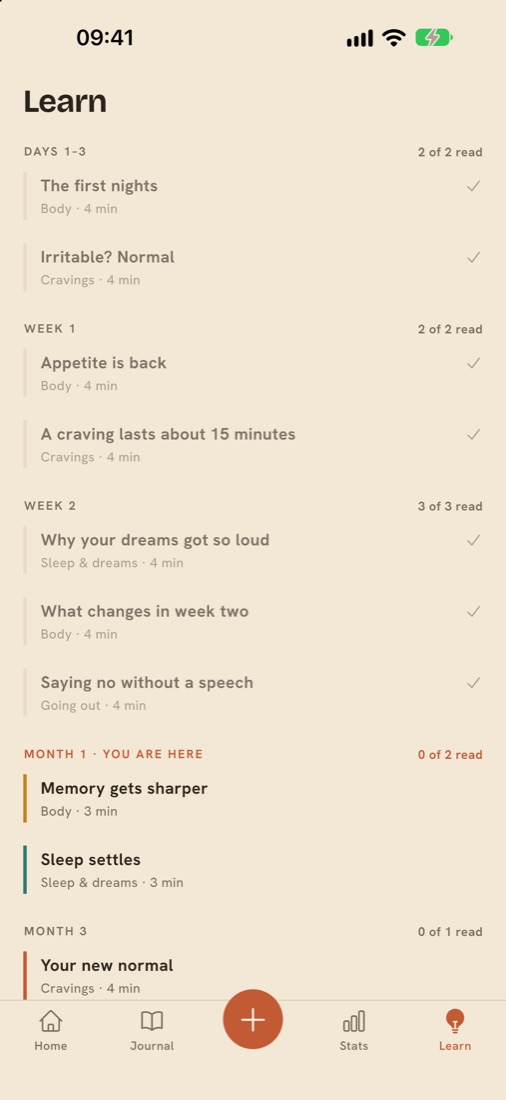
The first day often feels fine, which can be misleading. By the second or third night, sleep gets harder. You might lie awake for an hour, sweat through a T-shirt, or feel wired and flat at the same time. Irritability tends to show up here too. If you snap at someone over the dishwasher, that's the withdrawal talking.
Week 1: peak withdrawal
Days three to six are usually the hardest. Appetite can drop, cravings are frequent, and evenings are rough because that's when most people used to smoke. This is the stretch where a plan matters most. Know what you'll do at the time you'd normally light up, and keep the house free of anything to smoke.
Week 2: things start to lift
Most physical symptoms ease in the second week. Appetite tends to come back, often with a vengeance. Mood usually improves, although this is often when the vivid dreams are at their loudest. Cravings are less constant but can still hit hard in specific situations: after dinner, on a Friday night, around certain friends.
Month 1 to month 3: the long tail of cannabis withdrawal
By the end of the first month most people sleep better and notice they think more clearly. Many say their memory feels sharper. What's left are cue cravings, the ones set off by a place, a person or a feeling, plus the occasional bad night.
By month three, cravings are usually rare and short. Boredom is often a bigger issue than withdrawal by then, which is worth planning for early. The guide on how long weed cravings last covers this phase in more detail.
When to get help
If you also drink heavily or use other drugs, if you have a history of depression or anxiety, or if low mood is getting worse rather than better, speak to a doctor. Cannabis withdrawal rarely needs medical treatment, but you don't have to grit your teeth through it alone.
More questions
Does weed withdrawal cause physical symptoms?
It can. Headaches, sweating, chills, stomach discomfort and shakiness are all reported, mostly in the first week. They tend to be milder than the mood and sleep symptoms.
Is withdrawal worse if I vape or use concentrates?
Often, yes. Higher THC exposure is linked to stronger withdrawal, so people coming off dabs or high-potency carts tend to notice more symptoms than someone who smoked a few joints a week.