Vivid dreams after quitting weed: why they happen and how long they last

Vivid dreams after quitting weed are caused by REM rebound. THC cuts down the time you spend in REM sleep, the stage where most dreaming happens. When you stop, your brain makes up for the lost REM and dreams come back longer, brighter and much easier to remember. For most people the strongest phase starts in the first week and settles over the following three to six weeks.
It can be unsettling if you haven't remembered a dream in years. Nothing is wrong with you. It's one of the most common signs that your sleep is recovering.
Why weed stops you from dreaming
Regular cannabis use shortens REM sleep and pushes more of the night into deeper, non-dreaming stages. That's part of why so many people use it to fall asleep: the night feels heavy and blank. Plenty of daily smokers go months or years without a dream they can recall.
Your brain still needs REM. It's tied to memory and emotional processing, so the shortfall quietly builds up the whole time you're using.
What REM rebound feels like after you quit
Once THC is out of the picture, the brain swings the other way. You get more REM than usual and it starts earlier in the night. People describe old school friends turning up, long chase scenes, houses with rooms that shouldn't exist, and a lot of plain weirdness.
Smoking dreams deserve a special mention because they scare people. Dreaming that you relapsed is not a relapse, and it doesn't mean you secretly want to smoke. Your brain is replaying a routine it ran thousands of times.
How long do weed withdrawal dreams last?
There's no fixed number, but the pattern is fairly consistent. Dreams usually ramp up somewhere between night two and night seven. They tend to be most intense for two to three weeks, then become less frequent and less dramatic. Heavy long-term smokers often notice them for longer, sometimes a couple of months, and the odd vivid night can turn up even later.
If your sleep is still badly broken after a month, or the dreams are distressing enough to keep you from sleeping, talk to a doctor. That's the exception, though.
How to cope with vivid dreams when you stop smoking weed
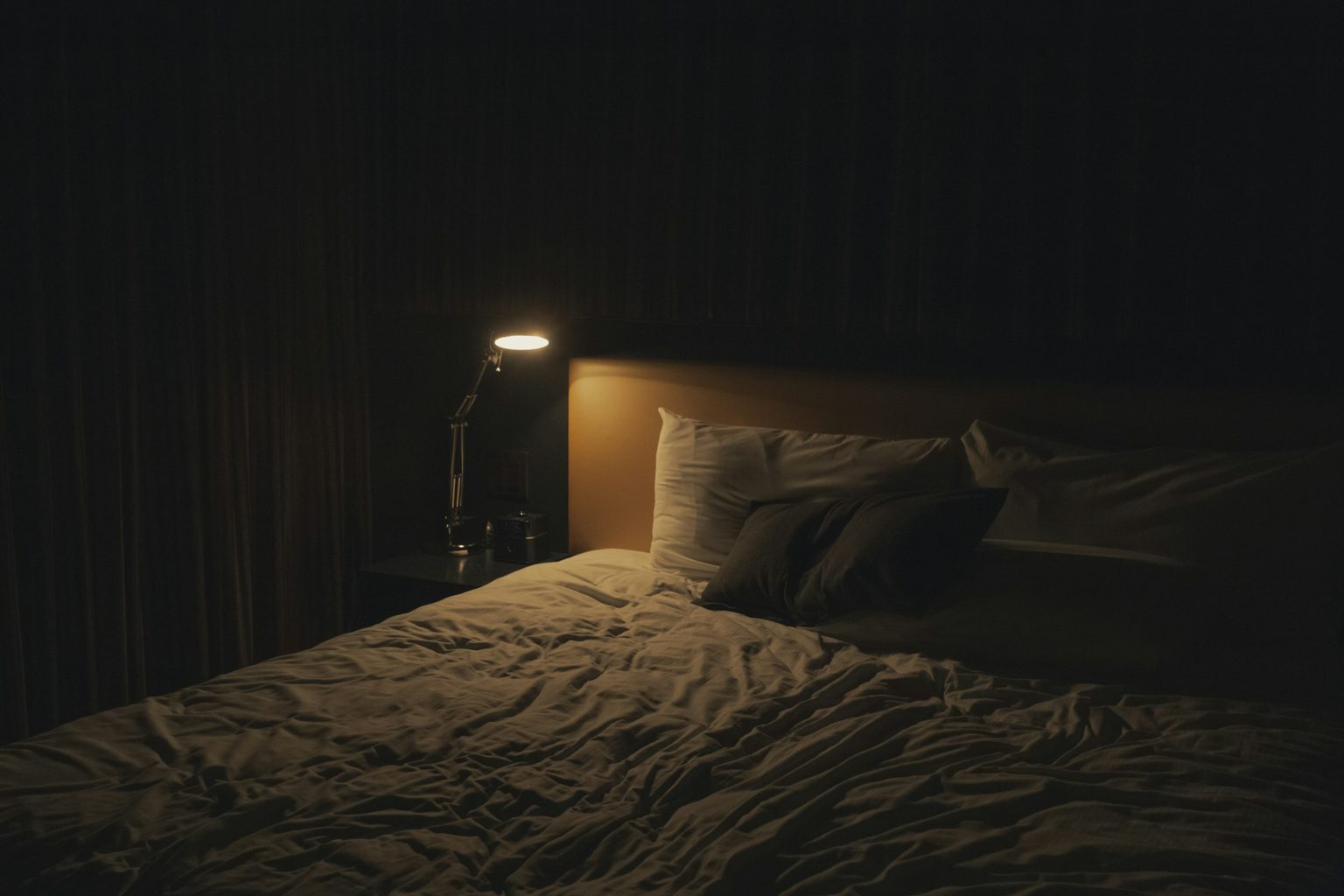
- Keep the bedroom cool and dark. Overheating makes intense dreams feel worse.
- Skip alcohol late in the evening. It fragments sleep and makes the second half of the night even more REM-heavy.
- Get up at the same time every day, weekends included. A steady wake time does more for sleep than an early bedtime.
- Write the dream down. Putting a bad one into words takes the edge off, and the good ones become something to look forward to.
Turning the dreams into a morning ritual
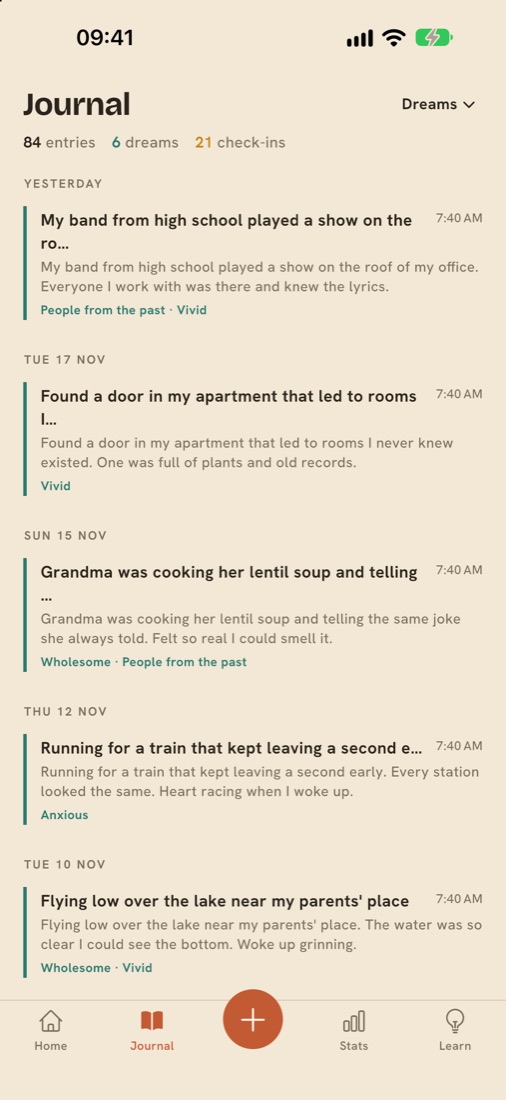
That last point is why Foglift has a dream journal built in. When you wake up, tap the plus button, type the dream or hold the mic and say it out loud, then tag how it felt: anxious, wholesome, vivid, people from the past. It takes under a minute.
After a few weeks you have a private record of the whole rebound. You can watch the anxious dreams thin out and the strange, funny ones take over. A lot of people end up missing them when they fade. If the dreams come with bad nights, the guide on sleeping after quitting weed has more on getting rest.
More questions
Are dreams about smoking weed a sign of relapse?
No. Using dreams are very common in the first months and say more about habit memory than about what you want. They usually become less frequent the longer you stay off.
Can I take something to stop the dreams?
It's usually better to let them run their course. Some sleep aids change sleep stages in their own way, so if you're considering one, ask a doctor or pharmacist first.